

Biodesign, a discipline that merges biology and design, increasingly focuses on materials derived from nature to address contemporary environmental challenges. Among these materials, mycelium stands out as a particularly innovative and sustainable option. But what makes mycelium a key player in biodesign, and how does it help shape a more environmentally conscious future?
Mycelium has the advantage of being entirely natural, biodegradable, and most importantly, renewable. It can be cultivated in controlled conditions using organic waste such as straw or grain husks. This ability to grow rapidly from abundant resources makes it an ideal choice for creating construction materials, packaging, or design objects without resorting to fossil fuels or heavy industrial processes.
In biodesign, the goal is not just to replace traditional materials with eco-friendly alternatives. It’s about designing objects or spaces inspired directly by nature’s principles. Mycelium, with its adaptive and evolving properties, allows this approach by offering design flexibility while respecting natural cycles. The resulting products can be strong, water-resistant, thermally insulating, and even fire-resistant in some cases.
In this article, we’ll dive into the most interesting biodesign projects using mycelium. From buildings to furniture to packaging, mycelium is paving the way for a new generation of products that are not just sustainable, but also redefining what it means to be truly eco-conscious in design.

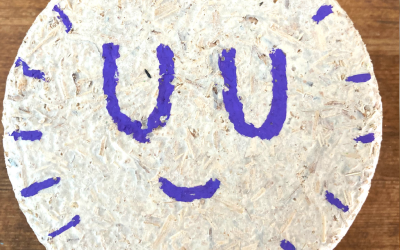
Transform Your Space with Mycelium Décor
Looking to add a unique and sustainable touch to your home? Mycelium décor from Moof offers an innovative way to enhance your living space with eco-friendly elegance. 1. Why Choose Mycelium Décor? Eco-Friendly: Mycelium is a biodegradable material that leaves no...
0 Comments